Solar Installation in Multan: Beat the Heat and the Bills in 2026
Multan is one of the hottest cities in Pakistan, and that heat has two faces. It drives punishing air-conditioning bills every summer, yet it also makes the region a powerhouse for solar energy. A smart solar installation in Multan turns the very sunshine that inflates your electricity bill into the engine that eliminates it. This 2026 guide explains how to design a system that thrives in extreme heat rather than wilting under it.
The twist with Multan is temperature management. Solar panels generate from light, not heat, and they actually lose efficiency as they get hotter. Designing for 48°C afternoons is a different discipline than designing for the mountains or the coast. Below, you will learn exactly what to specify so your array keeps producing when you need it most.
The Multan Climate: Friend and Foe of Solar
Multan receives intense, long-duration sunlight for most of the year — superb raw fuel for photovoltaics. The challenge is the thermostat. Every crystalline-silicon module carries a “temperature coefficient,” usually around -0.30% to -0.40% of power for each degree Celsius above 25°C. On a 48°C roof, cell temperatures can exceed 70°C, trimming real output well below the lab rating printed on the box.
The global research body IRENA notes that solar deployment keeps accelerating across South Asia precisely because hot, high-irradiance regions still deliver outstanding annual yields when systems are engineered correctly. Multan sits squarely in that sweet spot — if you plan for the heat.
Why your neighbour’s cheap system underperforms
Many budget installs bolt panels flat against the roof with no air gap. That traps heat and accelerates degradation. The fix is simple and cheap: raise the modules on a mounting frame so air flows underneath, and choose components with gentle temperature coefficients.
Designing a Heat-Proof Solar Installation in Multan
Three design choices separate a resilient Multan system from a disappointing one:
- Low temperature-coefficient panels: N-type or half-cut PERC modules hold output better in extreme heat.
- Elevated, well-ventilated mounting: A 10–15 cm air gap lets convection cool the panel backsheet.
- Oversized, heat-rated inverter: Inverters derate in heat too, so install them in shade with good airflow, never in direct sun.
Battery choice matters as much as panels. Lead-acid cells degrade fast in Multan’s heat; lithium iron phosphate (LiFePO4) packs tolerate high temperatures far better and last three to four times longer, making them the economical choice over the system’s life.
How much will it cost in 2026?
| System | Best for | Typical 2026 price (PKR) | Summer bill impact |
|---|---|---|---|
| 5 kW grid-tied | Daytime AC load, net metering | 650,000 – 850,000 | Large daytime savings |
| 8 kW hybrid + 10 kWh battery | AC + backup through load-shedding | 1.4M – 1.8M | Near-zero bills, full backup |
| 12 kW hybrid + 20 kWh battery | Large homes, small businesses | 2.3M – 3.0M | Energy independence |
Prices vary with brand tier and battery capacity. Always compare quotes on the same component specifications — a cheaper quote often hides thinner cabling, no-name optimisers, or a flimsy mounting structure.
What Does a Professional Installation Involve?
- Energy audit: Your installer reviews a year of MEPCO bills and your AC tonnage.
- Thermal-aware design: Panel layout, tilt, and inverter placement are chosen for heat performance.
- Roof preparation: Waterproofing and structural checks before any penetration.
- Mounting and wiring: Ventilated racking, UV-rated DC cable, and proper earthing.
- Net metering: Application filed with your DISCO so surplus units earn credit.
- Monitoring: A phone app tracks production and flags faults early.
Choosing the installer is the biggest decision you will make. Look for reliable local experts who provide references from nearby homes, a written performance warranty, and after-sales support you can actually reach. Multan’s heat punishes shortcuts, so workmanship quality is everything.
Is Solar Worth It for Multan Homes?
For most households running air conditioning through the long summer, the answer is an emphatic yes. The payback period for a well-designed grid-tied system typically lands between three and five years, after which you enjoy two decades of near-free daytime electricity. Add storage and you also escape the stress of unscheduled load-shedding during peak heat.
If you own property elsewhere too, remember that each city needs a tailored design. A trusted solar company in Peshawar, for example, will plan around different seasonal patterns and grid conditions than a Multan specialist would. Consistency across sites comes from using one experienced national provider.
An original tip: cool the inverter, extend its life
Field data is clear — the inverter is usually the first component to fail in hot climates. Mount it on a shaded north wall or inside a ventilated utility room, never on a sun-baked exterior wall. This one decision can add years to its service life and keep your warranty claims at zero. It costs nothing extra if you plan it before installation day.
Maintenance Through the Multan Summer
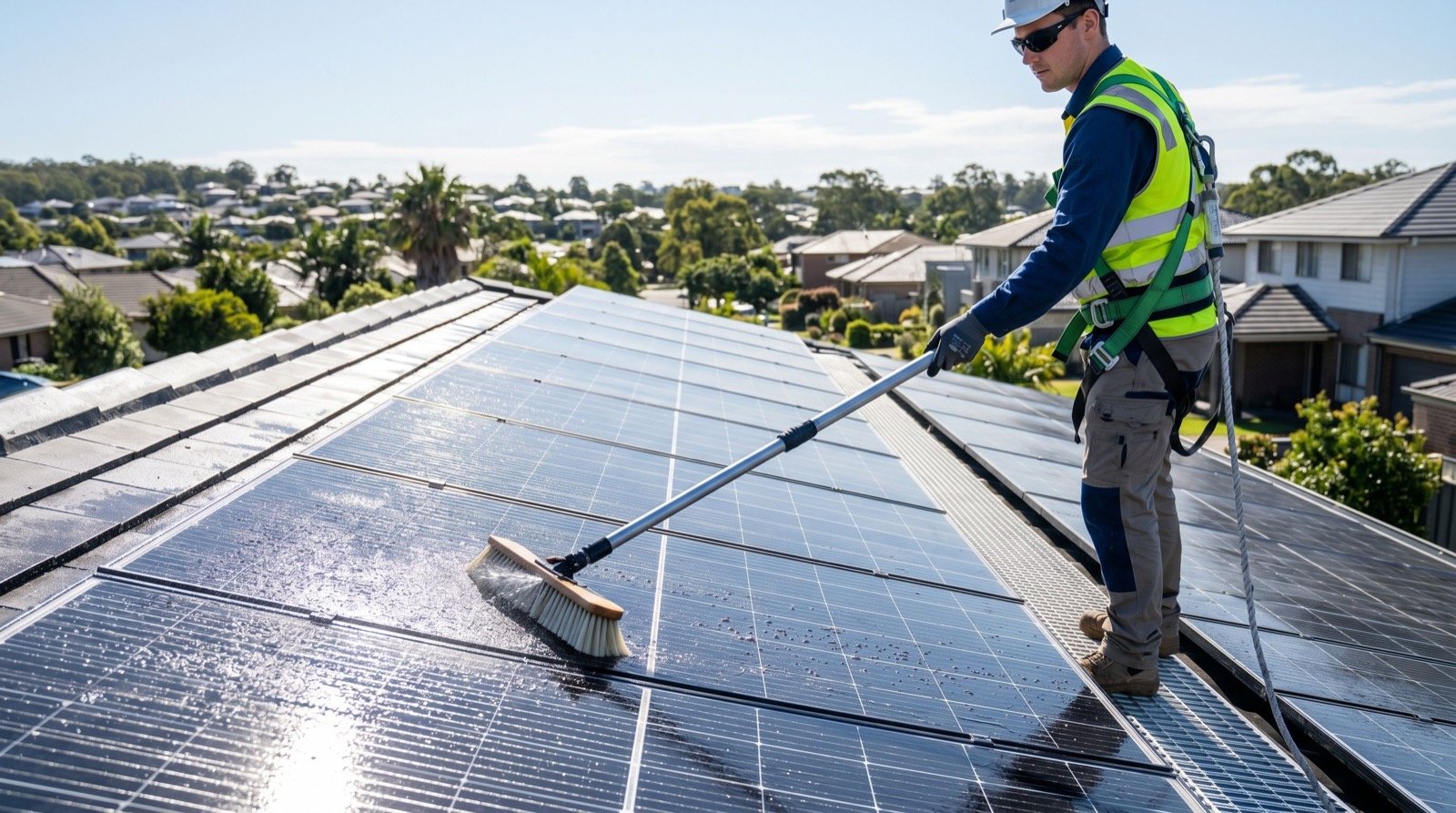
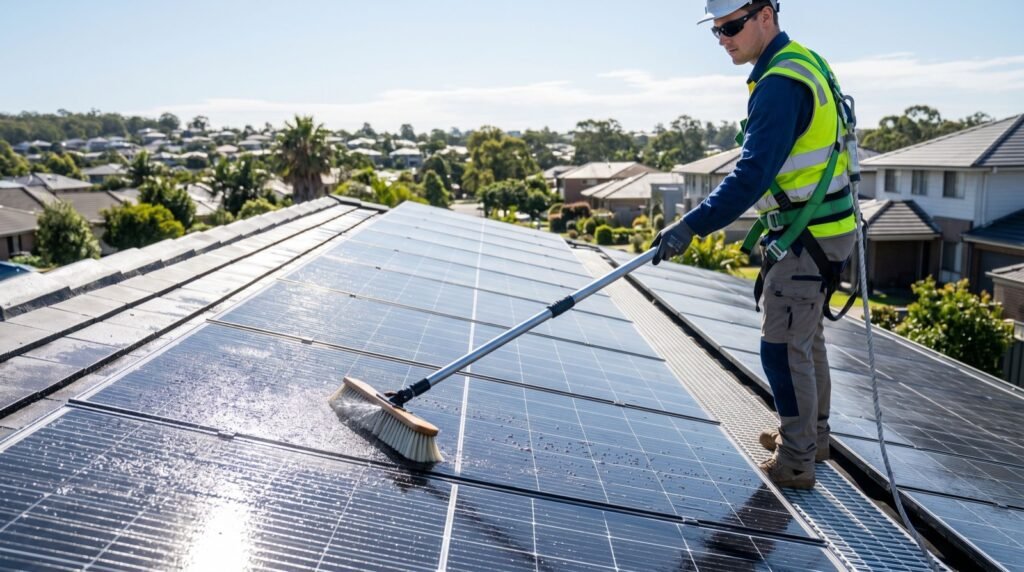
A solar array in Multan needs little attention, but the little it needs pays off handsomely. Fine dust settles quickly during the dry months and forms a film that blocks sunlight, so a gentle rinse every few weeks keeps output high. Early morning, before the panels heat up, is the safest time to clean them.
Check the ventilation gap under your panels once a season to make sure nothing — leaves, nesting birds, debris — has blocked the airflow that keeps them cool. Confirm the inverter’s cooling fans and vents are clear, since a clogged inverter overheats and derates exactly when you need peak production. These five-minute habits protect the investment you worked hard to make.
Finally, watch your monitoring app during the first full summer. It establishes a baseline so you can spot any drop in performance early and call your installer before a small fault becomes a big one.
Frequently Asked Questions
Do solar panels work well in Multan’s extreme heat?
They produce plenty of energy thanks to strong sunlight, but output dips as panels heat up. Elevated mounting for airflow and modules with low temperature coefficients recover most of that loss.
How many panels do I need to run air conditioning?
A single 1.5-ton inverter AC needs roughly 1.2–1.5 kW of solar to run on sunny afternoons. A typical Multan home with two or three AC units is well served by a 6–8 kW system.
Should I choose lithium or lead-acid batteries in Multan?
Lithium (LiFePO4) is strongly recommended. Lead-acid degrades quickly in sustained heat, so lithium’s longer life makes it cheaper per year despite the higher upfront cost.
How long does installation take?
A residential system is usually commissioned in two to four days, with net-metering approval following over the subsequent few weeks.
Conclusion
Multan’s relentless sun does not have to be an enemy. With heat-aware design, quality components, and a careful installer, a solar installation in Multan converts your highest-cost season into your lowest. Book a free site assessment and a transparent 2026 quote today, and start turning sunshine into savings this summer.